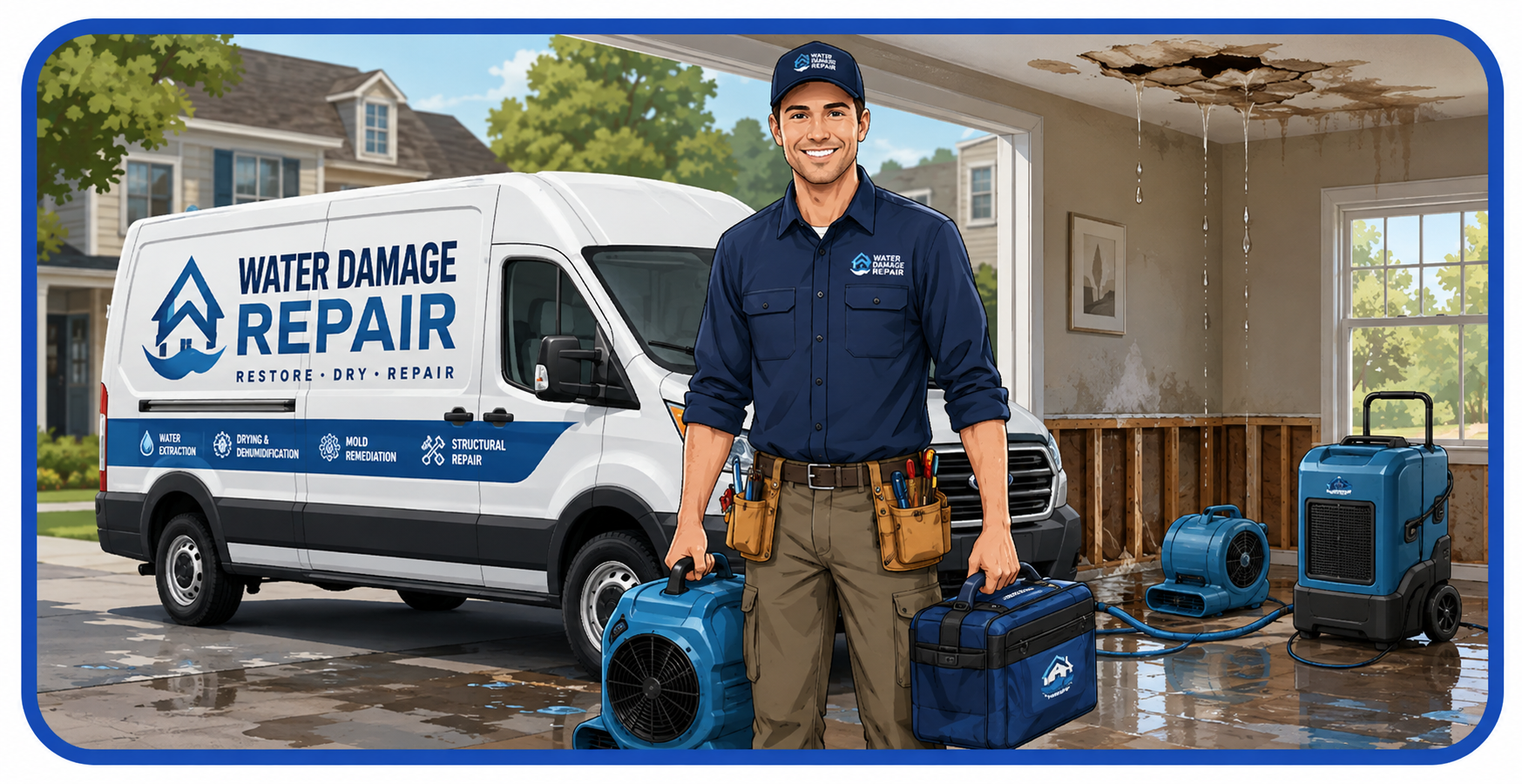
Category 3 blackwater carries real health risk, which is why our Sewage Cleanup response starts with containment and protective equipment, not just cleanup.
Call +1-844-833-1325 Now
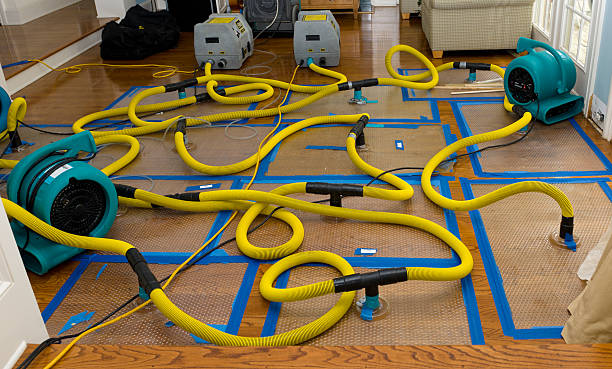
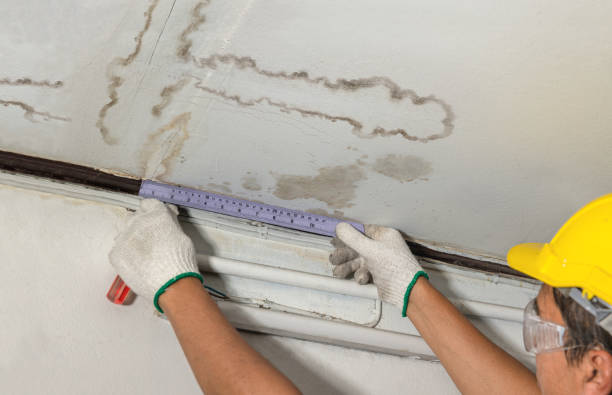
The decision to remove a material rather than dry it in place isn't a cost-cutting call on a sewage job — it's a safety standard, since porous materials that contact blackwater can't be fully sanitized no matter how long you dry them.
We'd rather explain the sewage cleanup process in plain terms upfront than have you find out the hard way what a shortcut costs later.
We built this list around what typically goes wrong when sewage cleanup gets handled by a generalist rather than a specialist.
None of these standards are unique to us in theory, but they're worth confirming before you let anyone start sewage cleanup work on your property.

Every sewage job follows documented contamination standards, not an improvised cleanup approach.
We isolate the affected zone before starting any removal to limit cross-contamination.
Contaminated materials get disposed of according to local regulations, not just tossed in a regular dumpster.
We treat contamination calls with urgency, since delay increases exposure risk.
Every piece of sewage cleanup work below follows the same documentation standard, whether it's a small job or a larger one.

Classification determines PPE level, containment approach, and which materials must be removed.
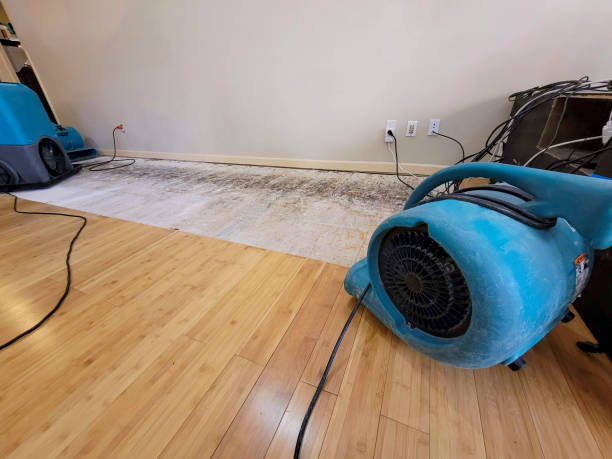
We extract with full PPE and controlled disposal of extracted contaminated water.
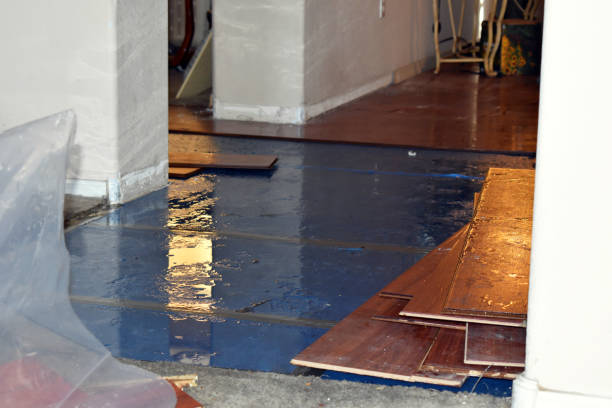
Carpet, pad, and drywall that contacted blackwater almost always require removal rather than drying in place.
Every surface that had contact with contaminated water gets disinfected with hospital-grade antimicrobial treatment.
Sewage odor gets treated at the source through disinfection and controlled airflow, not masked with fragrance.
Final verification includes both moisture and contamination checks before sign-off.
This is the same sequence every sewage cleanup job follows, regardless of size.
A real person answers, asks a few fast questions, and routes the nearest available crew.
Local staging is what makes rapid arrival possible, rather than a promise with nothing behind it.
The assessment sets the whole plan, so we don't rush it even when the visible damage looks minor.
We stand behind the result with a documented sign-off, not just a verbal assurance.


"The sewage backup in our basement bathroom got full PPE treatment and a clear explanation of the process."
Andre P., Franktown"A main line backup hit our laundry room and they explained exactly why the flooring had to go."
Naomi F., Franktown"They handled the contamination classification and disposal documentation for our insurance claim without us having to ask."
Katrina L., Franktown"They kept our family away from the affected zone until it was actually safe again."
Preston G., Franktown"Disposal documentation came through clean and organized for our property records."
Victor N., Franktown"Full PPE and proper containment meant we could reopen the rest of the dining room the same evening."
Grace T., FranktownThese are the questions we hear most often about sewage cleanup, gathered from real calls, not a generic template list.

Aqua Guard Water Damage dispatches sewage cleanup crews throughout Franktown and the surrounding zip codes, including 80116.
Whether your address sits in the city core or a neighboring zip code, the same sewage cleanup response standard applies.